London Road Norbury Rug Cleaning and Stain Repair
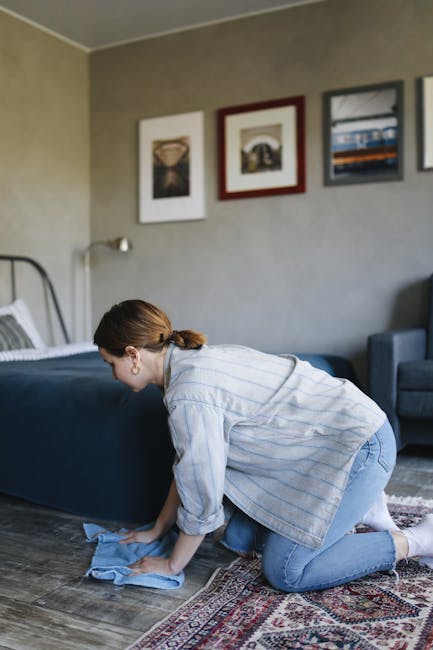
If your rug has picked up a tea spill, muddy footprint, pet mark, or that one stubborn stain you keep pretending not to see, you are in the right place. London Road Norbury Rug Cleaning and Stain Repair is about more than making a rug look tidy again. It is about protecting the fibres, lifting hidden dirt, dealing with odours, and repairing damage before it turns into something permanent. In a home where rugs get real use, that matters more than people think.
Truth be told, a rug can look "mostly fine" for months while quietly holding on to grit, residue, and wear. By the time a stain starts spreading or a repair becomes urgent, DIY spot cleaning often has already made things harder. This guide breaks down how proper rug cleaning and stain repair works, what results to expect, and how to decide when professional help makes sense. It also covers common mistakes, practical steps, and a few judgement calls that can save you money and stress.
For readers comparing services, you may also find it useful to look at rug cleaning, stain removal, and related care options such as pet stain and odour removal or upholstery cleaning when the problem is affecting more than one surface.
- Why London Road Norbury Rug Cleaning and Stain Repair Matters
- How London Road Norbury Rug Cleaning and Stain Repair Works
- Key Benefits and Practical Advantages
- Who This Is For and When It Makes Sense
- Step-by-Step Guidance
- Expert Tips for Better Results
- Common Mistakes to Avoid
- Tools, Resources and Recommendations
- Law, Compliance, Standards, or Best Practice
- Options, Methods, or Comparison Table
- Case Study or Real-World Example
- Practical Checklist
- Conclusion
- Frequently Asked Questions
Why London Road Norbury Rug Cleaning and Stain Repair Matters
Rugs do a lot of quiet work in a home. They soften a room, absorb noise, add warmth underfoot, and often take the first hit from daily life. In a busy London household, that usually means dirt from shoes, crumbs from the sofa, pet hair, spilt drinks, and the occasional mystery mark that appears overnight. If you live near London Road Norbury, you will know that a rug can collect all of that without looking dramatically dirty at first. Then one day you notice it: the colours look flat, the fibres feel tired, and the stain you hoped would fade is still there, only now it has a ring around it. Lovely.
Rug cleaning matters because surface appearance is only part of the story. Grit trapped in the pile can abrade fibres over time, especially in high-traffic areas. Spills can also migrate deeper than the top layer, making them harder to remove later. Stain repair is the other half of the job. A proper repair approach does not just mask the mark; it tries to stabilise the damaged area, reduce visual contrast, and prevent further fibre loss, fraying, or colour disruption.
There is also the comfort factor. A freshly cleaned rug feels different. It smells cleaner, looks brighter in natural daylight, and tends to make the whole room feel less weighed down. You notice it most in the morning, when the light comes in and the fibres look lifted rather than tired. Small thing, maybe. But it changes the room.
If the rug has sentimental value, this becomes even more important. Maybe it was a gift, maybe it came with the house, maybe it is just the one piece that truly ties the room together. In those cases, a careful cleaning and stain repair plan can extend its life far beyond what casual spot treatment can manage.
How London Road Norbury Rug Cleaning and Stain Repair Works
Good rug care starts with identification, not chemicals. That sounds obvious, but it is where a lot of trouble begins. Different rugs behave very differently depending on whether they are wool, synthetic, silk blend, viscose, or a more delicate handmade construction. Dye stability, backing material, weave density, and the age of the rug all shape the approach. A stain on one rug might release quickly; on another, the same treatment could cause colour bleed or pile distortion. So yes, the "same stain" is often not the same problem at all.
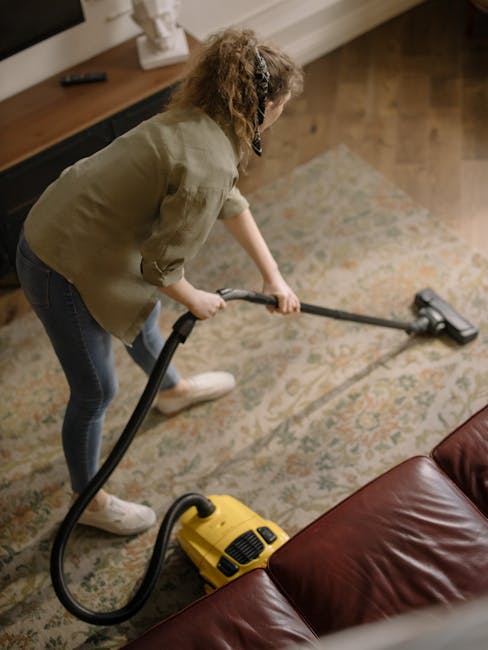
In practice, the process usually begins with inspection. A technician looks at the fibre type, the condition of the backing, the staining pattern, the wear pattern, and any prior attempts at cleaning. Then comes spot testing in a discreet area if there is any doubt about colourfastness. After that, the rug is dusted or mechanically loosened to remove dry soil. This stage matters more than most people expect. Dry soil is gritty, and if you skip it, you can end up pushing dirt deeper during wet cleaning.
Once the rug is ready, the cleaning method is chosen. Depending on the rug, that might involve controlled hot water extraction, low-moisture treatment, gentle hand cleaning, or careful treatment of isolated stained sections. Stain repair may happen before, during, or after the main clean. For example, a protein-based stain may need targeted pre-treatment, while a faded spill mark or fibre distortion may require a more measured repair pass once the area has been cleaned and evaluated again.
Drying is just as important as washing. A rug that stays damp for too long can develop odours, texture changes, or in worse cases, mildew issues. That is why professional rug care often uses airflow, controlled moisture, and careful handling rather than just "getting it wet and hoping for the best". A bit of patience here pays off.
Key Benefits and Practical Advantages
The most obvious benefit is a cleaner-looking rug. But the real value goes beyond appearances. When rug cleaning and stain repair are done properly, the rug can feel softer, look more even in tone, and hold up better over time. That is especially useful in homes where the rug is not just decorative but part of daily life.
Here are the practical advantages people usually notice:
- Improved appearance: colours look brighter and the pile appears more even.
- Better hygiene: dust, allergens, food residue, and odour-causing debris are reduced.
- Longer lifespan: removing abrasive soil helps fibres wear more slowly.
- Better stain control: targeted treatment reduces the chance of a stain setting permanently.
- Odour reduction: useful for spillages, pets, and older rugs that have absorbed smells over time.
- Restored room feel: a cleaned rug can make a whole space look more cared for without a full redecorate.
There is another benefit that is easy to overlook: confidence. When you know a rug has been assessed and cleaned properly, you stop worrying every time someone walks across it with muddy shoes or a cup of coffee. That peace of mind is underrated, honestly.
For homes that have children, pets, or frequent visitors, this becomes even more practical. A rug that can be maintained well is a rug you do not need to replace too soon. And replacing a large rug is never quite as simple as it sounds, especially when you have spent years liking how it anchors the room.
Who This Is For and When It Makes Sense
Not every rug needs a full restoration-style service. Some just need a sensible clean. Others need help quickly before the damage becomes harder to reverse. The sweet spot is knowing which category you are in.
This service makes sense if you are dealing with any of the following:
- Recent spills that have left a visible mark or ring
- Old stains that have become set into the fibres
- Pet accidents or lingering odours
- High-traffic wear that has flattened the pile
- Fraying edges, localised damage, or fibre loss
- Rugs that look dull even after vacuuming
- Rugs with sentimental or financial value that you would rather not replace
It also makes sense if the rug is in a room where first impressions matter. Hallways, reception spaces, sitting rooms, and guest-facing areas all benefit from a cleaner finish. In a home, that might be the living room rug everyone sees first. In a more formal setting, it might be a piece that helps the whole room feel ordered.
To be fair, some people wait until a stain becomes impossible to ignore. That is common. But earlier action usually gives you more options. The faster you act on a spill, the more likely it is that the fibres, dyes, and backing can be treated gently rather than aggressively.
Step-by-Step Guidance
If you want the best possible result, a structured approach is worth following. You do not need to become a rug technician overnight, thankfully, but a little process goes a long way.
- Identify the rug type. Check the fibre content, weave, backing, and any care labels if available. If the rug is handmade or delicate, treat it as such.
- Assess the stain. Ask what caused it. Food, drink, pet urine, paint, oil, mud, and dye transfer each behave differently.
- Vacuum or dust first. Dry soil should come out before moisture is introduced. Otherwise you can turn loose grit into mud.
- Test a small area. This helps check for colour bleed, texture change, or adverse reaction to cleaning solutions.
- Pre-treat carefully. Apply the right treatment for the stain type, using controlled contact and avoiding oversaturation.
- Clean the rug methodically. Work in sections if needed, rather than attacking the whole thing at once like a person possessed.
- Inspect stain repair needs. If fibres have been crushed, lifted, or discoloured, evaluate whether the area needs restoration work beyond cleaning.
- Dry thoroughly. Use airflow and avoid placing the rug back into service too early.
- Re-check after drying. Some stains lighten once dry; others become more visible. A final inspection tells the real story.
One useful habit: take a quick photo before you start. It helps you judge whether the cleaning actually improved the rug or whether a stain has merely shifted shape. Slightly nerdy, yes, but very helpful.
Expert Tips for Better Results
Good results often come from restraint. That is not the glamorous answer, but it is the honest one. Rugs are easier to damage than people think, especially when they are damp, heavily dyed, or already worn in one area.
- Act quickly, but not rashly. Blot spills first. Do not rub hard, because rubbing can spread the stain and rough up the pile.
- Work from the outside in. This helps stop stains from spreading into a larger circle.
- Use the least aggressive method that works. A gentle treatment that lifts 80% cleanly is usually better than an aggressive one that causes fibre damage.
- Think in terms of stain type. Oil, dye, tannin, and protein stains need different approaches. Tea is not the same as grease. A small but important distinction.
- Let drying happen properly. Don't rush the rug back onto a cold floor if it still feels damp underneath.
- Protect the area afterwards. If the rug sits in a traffic lane, use better footwear habits, a door mat, or periodic maintenance cleaning.
One more thing: if the rug has a delicate weave or a handmade finish, less is more. The goal is not to make it look factory-new. The goal is to preserve character while improving cleanliness and repair. That distinction matters.
If you are comparing related services for other soft furnishings in the home, it may help to review sofa cleaning, curtain cleaning, or mattress cleaning so you can plan a broader refresh in one visit.
Common Mistakes to Avoid
Most rug cleaning mistakes come from good intentions. People want to fix the problem quickly, so they reach for whatever is nearby. That is understandable. Also, a bit chaotic.
- Scrubbing hard: this can drive the stain deeper and damage fibres.
- Using too much water: oversaturation can lead to backing issues, colour migration, or long drying times.
- Applying random cleaning products: some household products can bleach, stiffen, or leave residue behind.
- Ignoring colourfastness: dyed rugs can bleed or fade if tested poorly.
- Delaying treatment: the longer a stain sits, the harder it is to shift.
- Putting the rug back too soon: it might feel dry on top but still be damp below.
Another mistake is assuming all dark marks are stains. Sometimes a rug is actually suffering from fibre wear, pile distortion, or old detergent residue. If you treat the wrong issue, the rug can end up looking patchy. Not ideal, obviously.
When in doubt, work carefully and avoid improvising with strong chemicals. A slow, informed approach is usually better than a fast guess.
Tools, Resources and Recommendations
You do not need a shed full of specialist kit to understand rug care, but a few basics make a big difference. If you are handling the initial stages yourself before booking a service, these are the practical items worth having:
- Vacuum with adjustable suction: useful for removing dry soil without dragging the fibres.
- Clean white cloths or towels: better than coloured fabrics, which can transfer dye.
- Soft brush: helps lift surface debris gently.
- Fan or airflow source: supports drying after light treatment.
- Mild, fibre-safe spot treatment: only if the rug type allows it and you have tested carefully.
- Protective gloves: sensible when handling unknown spills or cleaning solutions.
If you are planning a professional job, use the service information carefully and ask about the method used for your rug type. It is also sensible to read the business details around about us, pricing and quotes, payment and security, and insurance and safety so you know what to expect before work begins.
For people who care about household impact as well as appearance, it is also worth looking at recycling and sustainability. Rug cleaning is not just about the room looking good today; sometimes it is about keeping good items in use for longer, which is a very sensible place to be.
Law, Compliance, Standards, or Best Practice
Rug cleaning and stain repair are not usually heavily regulated in the way some trades are, but that does not mean standards do not matter. In the UK, sensible best practice still applies around safety, handling, product use, and consumer transparency. If you are inviting someone into your home, you want to know they are working carefully, are insured where appropriate, and can explain their process plainly.
Best practice usually includes:
- Assessing the rug before any wet treatment
- Testing for dye stability when needed
- Using methods suitable to the fibre type
- Explaining limitations honestly, especially on permanent staining or wear damage
- Keeping the area safe during and after cleaning
- Handling customer information and payments responsibly
For businesses, policies around health and safety, complaints handling, privacy, and terms should be clear and accessible. You may also want to check service details linked from health and safety policy, complaints procedure, privacy policy, and terms and conditions. That sort of openness is a good sign, plain and simple.
Also, if a rug has been water-damaged, has fragile backing, or may be contaminated by pet accidents or unknown substances, caution is the right call. Better to pause and assess than to push ahead and create a bigger repair job.
Options, Methods, or Comparison Table
Different rug problems call for different approaches. Here is a simple comparison to help you think clearly before choosing a method.
| Method | Best for | Strengths | Watch-outs |
|---|---|---|---|
| Basic vacuuming and spot treatment | Light surface soil and fresh minor marks | Quick, low-cost, useful for maintenance | Limited impact on deep soil and older stains |
| Professional rug cleaning | General refresh, embedded dirt, dullness | More thorough, better for fibre care | Needs correct method for rug type |
| Targeted stain repair | Visible marks, fibre loss, local damage | Addresses specific problem areas | Not all damage is fully reversible |
| Combined clean and repair | Rugs with both staining and wear | Most practical for restoring overall appearance | Requires careful assessment and time |
If the issue is not just the rug itself but other soft furnishings too, it can be helpful to pair the job with carpet cleaning or steam carpet cleaning for a more complete refresh. Not always necessary, but often sensible in busy homes.
Case Study or Real-World Example
Here is a realistic example based on the kind of work people commonly ask for. A living-room rug near a sofa had a dark tea stain, a faint pet mark, and some flattening where people always stepped off the sofa. Nothing dramatic on its own, but together it made the whole rug look tired. The owner had tried a supermarket spray first. The tea mark lightened a little, but the edges became wider and the smell stayed. That is the classic "it looked better for ten minutes" problem.
On inspection, the rug was found to be a mixed-fibre piece with moderate pile wear and a stain that had settled unevenly. The first step was dry soil removal. Then a gentle targeted treatment was used on the tea mark, followed by controlled cleaning across the broader area so the finish would not look patchy. The pet-related odour required its own treatment, because odour and stain are not always the same issue. That is one of those details people miss.
After drying, the stain was noticeably less visible, the pile looked more even, and the room felt brighter. The owner did not get a "brand new" rug, because that is rarely the honest promise. But the rug looked cared for again, which was exactly the point. And, to be fair, that often makes the biggest difference.
The real lesson? The earlier a rug is assessed, the more likely it is that cleaning and repair can improve it meaningfully without overworking the fibres.
Practical Checklist
Use this quick checklist before deciding what to do next:
- Identify the rug fibre if you can
- Note what caused the stain and when it happened
- Blot, do not scrub, any fresh spill
- Avoid soaking the rug with water or cleaner
- Check whether the stain has spread or changed colour
- Look for frayed edges, worn patches, or loose fibres
- Decide whether the rug needs cleaning, repair, or both
- Review service information such as pricing and quotes before booking
- Make sure the rug can dry in a well-ventilated space
- Keep pets and children off the rug until it is fully dry
Expert summary: if the rug is valuable, delicate, stained for more than a day or two, or showing fibre damage, combine cleaning with stain repair rather than treating the problem as a simple spot clean. That is usually the smarter move.
Get a free quote today and see how much you can save.
Conclusion
London Road Norbury Rug Cleaning and Stain Repair is really about giving a much-used item a proper second chance. Whether you are dealing with a recent spill, an old mark that has overstayed its welcome, or wear that has made the rug look flat and neglected, the right approach can restore appearance and help preserve the fibres for longer. The key is matching the method to the material, treating stains with care, and not rushing the process.
If you take one thing from this guide, let it be this: rugs reward patience. A careful clean, a sensible repair, and proper drying can make a bigger difference than most people expect. Sometimes the change is subtle, sometimes it is dramatic. Either way, it is nice when a room feels settled again.
And honestly, there is something deeply satisfying about seeing a rug come back to life. The whole room seems to breathe a little easier.
Frequently Asked Questions
What does London Road Norbury Rug Cleaning and Stain Repair usually include?
It usually includes inspection, fibre identification, soil removal, stain treatment, cleaning, and where needed, local repair work for worn or damaged areas. The exact process depends on the rug type and the nature of the stain.
Can all rug stains be removed completely?
No, not always. Some stains are permanent, some have chemically changed the fibres or dyes, and some have been set by heat or previous DIY treatment. A good service should explain what is realistic rather than promise miracles.
Is stain repair different from stain removal?
Yes. Stain removal aims to lift the mark itself, while stain repair may also address damage, discolouration, or pile disturbance left behind by the stain. Often, both are needed for the best result.
How do I know if my rug needs professional cleaning?
If vacuuming no longer improves the look, the rug smells stale, stains have set in, or the fibres are looking flat and tired, professional cleaning is usually worth considering. Delicate or valuable rugs especially benefit from careful treatment.
Can I clean a rug at home with ordinary products?
You can handle minor spills at home if you are careful, but ordinary products can leave residue, bleach dyes, or push stains deeper. For anything valuable, old, delicate, or heavily stained, caution is the better path.
How long does a rug take to dry after cleaning?
Drying time depends on the rug type, the cleaning method, airflow, and humidity. A light clean may dry sooner, while a deeper clean can take longer. The important thing is not to rush it back into use too early.
What if my rug has a pet stain and a smell as well?
That often needs a combined approach. The visible mark, the odour source, and any deeper contamination may need separate treatment. A surface clean alone may not solve the smell, which is frustrating but common.
Are wool rugs harder to clean than synthetic rugs?
They can be more sensitive to over-wetting, harsh chemistry, and agitation, so the method matters more. Synthetic rugs are often more forgiving, but they still need the right process if you want a good finish.
What should I do straight after a spill on my rug?
Blot the spill gently with a clean cloth, work from the outside in, and avoid rubbing. Do not flood the area with water. If the stain is likely to set, arrange help quickly rather than waiting and hoping it disappears.
Is rug repair worth it for an older rug?
Often, yes, if the rug still has value, either sentimental or practical. Small repairs and careful cleaning can extend its life and improve how it looks in the room. Sometimes it is a smarter choice than replacement.
What should I ask before booking a rug cleaning service?
Ask what methods are used, whether the rug will be tested for colourfastness, how drying is handled, what happens with stubborn stains, and whether the business has clear terms, insurance, and safety information. Clear answers are a good sign.
Can rug cleaning help with allergies?
It can help reduce built-up dust, debris, and some allergens trapped in the fibres. It is not a medical treatment, of course, but a cleaner rug can contribute to a fresher indoor environment.
Where can I find more service information?
You can review related pages such as rug cleaning, stain removal, and the site's service details on contact options and about us if you want a clearer picture of the process and support available.