Essential Habits for Maintaining a Dust-Free, Allergen-Low Home
Introduction
It's not your imagination: modern homes can trap dust and allergens more than ever. With tighter building envelopes, busy lifestyles, and a constant influx of pollen, pet dander, and ultrafine particles, many households battle sneezing, itchy eyes, and persistent dust on every surface. The good news is that a dust-free, allergen-low home is achievable with the right daily routines and smart system choices. This comprehensive guide distills essential habits for maintaining a dust-free, allergen-low home--from precision vacuuming and humidity control to strategic filtration and clutter management--into clear, practical steps you can start today.
Drawing on evidence from public health guidance, building standards, and professional cleaning best practices, this expert-led resource aims to outclass generic advice and provide the depth you need to protect your indoor air quality. Whether you're managing asthma, seasonal allergies, eczema, or simply want a cleaner, easier-to-maintain space, the habits and systems below offer a sustainable path to a healthier home.
- What you'll get: A science-backed, step-by-step plan; pro tips to reduce dust at the source; product standards to trust; and a printable checklist to keep you on track.
Table of Contents
- Why This Topic Matters
- Key Benefits
- Step-by-Step Guidance
- Expert Tips
- Common Mistakes to Avoid
- Case Study or Real-World Example
- Tools, Resources & Recommendations
- Law, Compliance or Industry Standards (UK-focused)
- Checklist
- Conclusion with CTA
- FAQ
Why This Topic Matters
Indoor air can be 2-5 times more polluted than outdoor air, and dust is a major carrier of allergens, chemicals, and microbes. Household dust typically contains a mix of human skin cells, fibres, soil particles, pet dander, dust-mite allergens, mould spores, and residues from cleaning products and cooking. According to Allergy UK, millions in the UK live with allergic conditions, with house dust mites and pet allergens among common triggers. The NHS recognises that controlling exposure to triggers is a cornerstone in managing asthma, allergic rhinitis, and eczema.
Three facts that underscore the urgency:
- Allergen loading matters: Dust acts like a sponge, carrying allergens and irritants across your home. Reducing dust is directly linked to lowering exposure.
- Moisture drives biological growth: When relative humidity stays above ~60%, dust mites and moulds flourish. Keeping humidity in the 40-50% range significantly suppresses both.
- Source control beats endless cleaning: The most effective strategies focus on reducing what enters and accumulates indoors, then capturing what remains using high-grade filtration and correct cleaning techniques.
Bottom line: If you want a home that looks cleaner and feels better to breathe in, adopt systematic habits that prevent, capture, and remove dust and allergens efficiently.
Key Benefits
Adopting essential habits for maintaining a dust-free, allergen-low home delivers measurable gains:
- Fewer symptoms: Reduced sneezing, congestion, itchy eyes, and eczema flare-ups by lowering exposure to dust mites, pet dander, pollen, and mould spores.
- Cleaner surfaces longer: Less visible dust means less frequent heavy cleaning and a consistently tidy appearance.
- Better sleep: Clean bedding, protected mattresses, and allergen-proof routines can significantly improve sleep quality.
- Energy and cost savings: Efficient filtration, decluttering, and targeted cleaning minimise wasted effort and can extend the life of HVAC equipment.
- Healthier indoor air: Balanced humidity and high-efficiency filtration reduce respiratory irritation and help support long-term respiratory health.
- Resilience during high-pollen seasons: A controlled indoor environment mitigates outdoor influx when counts peak.
Step-by-Step Guidance
This section gives you a tested, logical sequence for maintaining a dust-free, allergen-low home. Focus on prevention before removal, then finish with verification.
1) Control Entry at the Source
- Adopt a strict shoe-off policy. Use a door bench and a dedicated rack. Up to 80% of household dirt and outdoor particles can be tracked in on footwear.
- Place heavy-duty doormats inside and outside. Choose mats you can machine-wash or hose down regularly.
- Weatherstrip and seal gaps. Reduce infiltration of outdoor dust and pollen by sealing around doors and windows.
2) Declutter Strategically
- Reduce dust catchers. Open shelves, ornate decor, stacks of magazines, and plush toys accumulate dust quickly. Store infrequently used items in closed containers.
- Choose closed storage. Cabinets with doors beat open shelving for dust control.
- Minimise fabric-heavy decor. Opt for washable, low-lint curtains or blinds, and avoid unnecessary throws and cushions in high-allergy households.
3) Upgrade Filtration and Airflow
- HEPA-standard cleaning tools: Use a sealed-system vacuum with a genuine HEPA filter (BS EN 1822 H13 or H14 class captures 99.95-99.995% of the most penetrating particles).
- Air purifiers sized for room volume: Aim for 4-5 air changes per hour (ACH). Calculate CADR: Room volume (m?) x desired ACH ? 60 ? required m?/min, then convert if using cfm ratings.
- Central or mechanical ventilation: Ensure trickle vents and extract fans work. For systems with filters, use ISO 16890-rated media (ePM1 50-70% is a strong residential target).
- Cook smart: Run an externally vented cooker hood during and 10-15 minutes after cooking to cut grease aerosols that settle as dust.
4) Set Humidity to Hit the Sweet Spot
- Monitor RH with reliable hygrometers. Keep indoor relative humidity between 40-50% to suppress dust mites and mould growth.
- Dehumidify or humidify as needed. In damp climates or rooms (bathrooms, basements), deploy a dehumidifier with auto-drain. In arid winters, use a cool-mist humidifier but avoid exceeding 50-55% RH.
- Fix moisture at the source. Leaks, condensation, and cold bridges fuel mould and dust mites. Insulate pipes, improve ventilation, and repair seals promptly.
5) Master the Dusting Technique
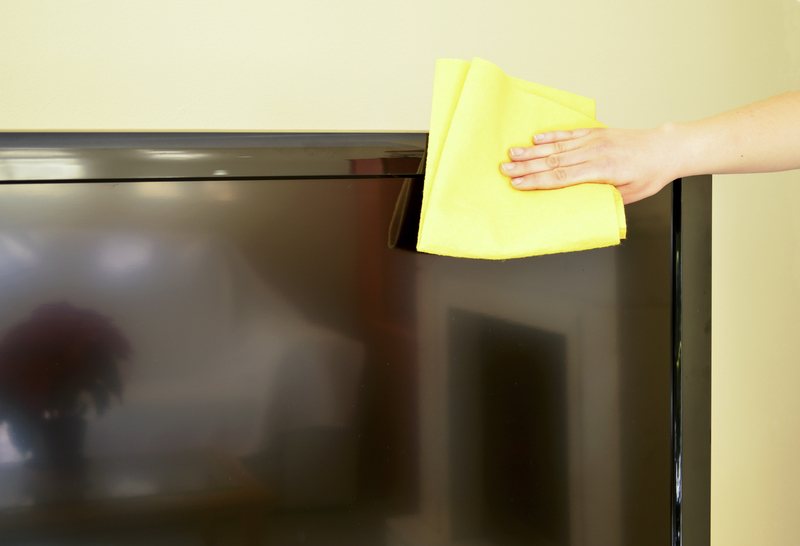
- Always dust top-to-bottom, dry-to-wet. Start with high surfaces (light fixtures, shelves), then mid, then baseboards and floors.
- Use densely woven microfiber (300-400 GSM). Slightly dampen with water for static-lift; avoid oversaturation which spreads grime.
- Skip feather dusters. They redistribute particles. Choose microfiber wands with washable covers instead.
- Capture, don't chase. After dusting, vacuum with a HEPA machine to collect what settles, then finish with a damp mop.
6) Vacuuming That Actually Removes Dust
- Pick the right vacuum: Look for a sealed body, HEPA H13 filter, motorised brush head for carpets, and a soft roller for hard floors. Bags reduce exposure during disposal.
- Slow passes, overlapping strokes. One slow pass can remove more than three fast ones. Overlap by 50%.
- Edges and upholstery matter. Use crevice tools along skirtings, radiators, sofa seams, and mattresses.
- Vacuum frequency: High-traffic areas 2-3x weekly; bedrooms and living rooms at least weekly; behind/under furniture monthly.
7) Floors and Soft Furnishings
- Hard flooring where practical. If allergies are severe, replace high-pile carpets with sealed hard floors plus washable rugs.
- Steam clean or hot-water extract. For carpets and rugs, schedule deep cleaning each 6-12 months (more frequently for pets).
- Washable textiles: Choose machine-washable curtains, cushion covers, and throws. Launder monthly at 60?C when possible to denature dust-mite allergens.
8) Bedroom Allergen Control
- Allergen-proof encasements: Use tight-weave covers for mattresses, pillows, and duvets. This blocks dust-mite allergen transfer.
- Wash bedding weekly at 60?C. If fabric care limits temperature, use anti-allergen laundry additives approved for dust mites.
- Minimalist surfaces. Keep under-bed storage sealed; avoid open shelving above the bed.
9) Pets and Dander Management
- Pet-free zones. Keep bedrooms and upholstered furniture off-limits when allergies are strong.
- Regular grooming. Bathe dogs as advised by vets; brush pets outdoors with a dander-capturing mitt.
- HEPA purifier near pet areas. Run continuously on low to capture dander.
10) Kitchen and Laundry Protocols
- Grease control equals dust control. Grease aerosols settle as sticky dust. Always use extraction when frying or roasting.
- Laundry efficiency. Dry clothes indoors only with dehumidification or good ventilation to prevent humidity spikes.
- Vacuum lint traps and behind appliances. Quarterly maintenance cuts lint dust.
11) Bathrooms and Damp Spots
- Run extract fans long enough. Use a timer or humidity sensor to run 10-20 minutes post-shower.
- Target condensation. Warm up surfaces (insulation, heated rails) and ventilate to curb mould growth.
- Clean grout and sealant. Use non-bleach mould removers when appropriate and re-seal cracked silicone to stop wicking.
12) Verification: Measure and Adjust
- Track PM2.5 and RH. A portable air-quality monitor makes progress tangible and motivates consistency.
- Log your routines. A simple calendar--vacuum days, filter replacements, deep cleans--helps keep habits on autopilot.
Expert Tips
These advanced strategies elevate your essential habits for maintaining a dust-free, allergen-low home to professional level.
- Buy by standard, not by marketing. For purifiers, prioritise stated CADR and HEPA class (H13/H14). For HVAC filters, look for ISO 16890 ePM1 ratings; in North American specs, MERV 11-13 roughly aligns with ePM1 50-70% capture in many systems.
- Seal the vacuum path. Even a HEPA filter is ineffective if the vacuum leaks. Choose sealed-system designs; check for BS EN 60312 performance claims.
- Microfiber care is mission-critical. Wash cloths without fabric softener (which kills static charge) and at low to moderate heat to maintain fibre structure.
- Two-stage dusting on high-shedding days. During peak pollen seasons, dust with a slightly damp microfiber followed by a HEPA vacuum pass to capture fallout.
- Use the 5-minute rule. Daily, spend five minutes on hotspots: entryway, kitchen floor near hob, coffee table, sofa. This micro-habit prevents weekly overload.
- Switch to low-shed textiles. Tightly woven cotton, linen blends, and low-pile rugs release less lint than fluffy synthetics.
- Mind the mattress age. Replace every 7-10 years; older mattresses accumulate dust-mite allergen even with encasements.
- Optimise purifier placement. Place purifiers near sources (pets, windows, high-traffic routes) with unobstructed intake and outflow. Avoid corners and behind furniture.
- Renovation protocol. If sanding or drilling, isolate the room, use local extraction, keep RH controlled, and run a HEPA purifier on high until particle levels normalise.
- Choose low-VOC finishes. Low-odour, low-VOC paints and sealants reduce chemical load that adheres to dust particles.
Common Mistakes to Avoid
- Feather dusters and dry cotton cloths. They scatter particles into the air. Use high-quality microfiber, slightly damp.
- Bagless vacuums without sealed HEPA. Emptying can aerosolise dust. If using bagless, empty outdoors while wearing a mask and wipe the bin afterward.
- Over-humidifying. RH over ~55% fuels mites and mould. Always monitor with a hygrometer.
- Ignoring soft furnishings. Curtains, cushions, and throws are major dust reservoirs if not washed routinely.
- Perfume masking. Scented sprays don't remove dust and may add irritants. Prioritise removal and filtration.
- Forgetting vents and filters. Dirty extractor and HVAC filters re-emit dust and reduce efficiency. Schedule replacements.
- Skipping entry control. No mat, no shoe policy = more dust. Don't fight dust after it settles; stop it at the door.
- Cleaning out of order. Mopping before dusting or vacuuming wastes effort and leaves residue.
Case Study or Real-World Example
Profile: A UK family of four in a 3-bedroom semi-detached with a dog. One parent has allergic rhinitis; the youngest has mild asthma. Before intervention, they vacuumed weekly, dusted sporadically, and had visible condensation on winter mornings.
Interventions (Month 1-2):
- Instituted shoe-off policy and added washable entry mats.
- Swapped an old bagless vacuum for a sealed HEPA H13 bagged model; increased vacuuming to 3x weekly in high-traffic areas.
- Dehumidifier added to bedrooms; maintained RH at 45-50% (was 60-70%).
- Allergen-proof encasements on mattresses and pillows; bedding washed at 60?C weekly.
- Installed two HEPA purifiers sized to 5 ACH for bedrooms and living room.
- Decluttered living spaces and switched heavy drapes to washable, tightly woven curtains.
Measured Outcomes:
- PM2.5 in the living room dropped from 18-25 ug/m? evenings to 6-10 ug/m? steady-state (as measured by a consumer-grade monitor).
- Morning congestion reduced notably within two weeks; the child's night-time coughing episodes reduced from 3-4 per week to 0-1, according to family logs.
- Visible dust on TV stand and shelves extended from 2-3 days to 6-7 days between cleanings.
- Lower winter condensation and no new mould patches after bathroom fan runtime increased and bedroom RH optimised.
Takeaway: Focused changes--entry control, high-efficiency filtration, humidity control, and textiles management--delivered both health and housekeeping wins.
Tools, Resources & Recommendations
Prioritise equipment that meets reputable standards, and buy for your home's size and lifestyle.
Air Filtration & Ventilation
- Air purifiers: HEPA H13/H14, stated CADR suitable for 4-5 ACH. Features: sealed housing, quiet operation, filter-change indicator, and genuine replacement filters.
- HVAC/ventilation filters: ISO 16890 ePM1 50-70% for central systems where fan capacity allows; otherwise ePM2.5 65% as a balanced option.
- Extractor fans: Look for models with run-on timers or humidity sensors; check Building Regulations Part F guidance for airflow rates.
Cleaning & Dust Removal
- Vacuum: Sealed-system, bagged, HEPA H13, with motorised brush and soft roller heads. Tools for crevices, upholstery, and mattresses are essential.
- Microfiber kit: 300-400 GSM cloths, washable dusting wands, flat mop with microfiber pads. Avoid fabric softener in laundering.
- Steam cleaner or hot-water extractor: For carpets and upholstery periodic deep cleans.
Moisture Management
- Dehumidifier: Size by room volume and moisture load; continuous drain and built-in hygrometer are valuable.
- Hygrometers: Place at least one per floor; verify accuracy with a salt test or by comparison.
Textile & Bedding
- Allergen-proof encasements: Tight weave, zippered, breathable, independently tested for dust-mite barrier performance.
- Washable curtains and covers: Prefer 60?C washable textiles; otherwise, plan more frequent laundering.
Verification
- Air-quality monitor: Tracks PM2.5, humidity, and temperature to validate improvements and tune habits.
Law, Compliance or Industry Standards (UK-focused if applicable)
While maintaining a dust-free, allergen-low home is largely a matter of habit and product choice, certain UK laws and standards inform best practice:
- Building Regulations Part F (Ventilation): Sets performance expectations for ventilation in dwellings, including adequate extract in kitchens and bathrooms and provision of background ventilation (e.g., trickle vents).
- BS EN 1822 (HEPA classification): Defines HEPA H13 and H14 efficiency levels used by high-grade vacuums and purifiers. H13 captures 99.95% of the Most Penetrating Particle Size (MPPS).
- ISO 16890 (Air filter testing and classification): Replaced EN 779; filters are rated by ePM1/ePM2.5/ePM10 efficiencies, which better reflect real-world particle capture relevant to health.
- BS EN 60312 (Vacuum cleaners performance): Provides testing methods; look for claims aligned with this standard for meaningful performance comparisons.
- Homes (Fitness for Human Habitation) Act 2018: In England and Wales, landlords must ensure homes are free of serious hazards, including persistent damp and mould conditions that exacerbate allergies and asthma.
- Housing Ombudsman and UKHSA damp and mould guidance (2023): Reinforces the need for timely repairs, adequate ventilation, and moisture control to protect occupant health.
- CLP Regulation and product labelling: Cleaning chemicals must display hazard pictograms and safe-use instructions; always read labels and use PPE as indicated.
Note: Workplace exposure limits (HSE) are stricter than domestic contexts, but the principles--source control, ventilation, and filtration--translate well to home environments.
Checklist
Use this actionable checklist to embed the essential habits for maintaining a dust-free, allergen-low home into your routine.
Daily
- Shoes off at the door; shake or vacuum entry mats.
- 5-minute hotspot clean: wipe coffee table, sofa arms, kitchen floor near hob.
- Run purifier on low in living and sleeping areas.
- Ventilate after showers and cooking; keep RH 40-50%.
Weekly
- Vacuum high-traffic floors 2-3x; other areas at least 1x.
- Dust top-to-bottom with microfiber; follow with HEPA vacuum.
- Wash bedding at 60?C; wipe skirtings and window sills.
- Groom pets outdoors; launder pet bedding.
Monthly
- Pull out furniture; vacuum edges and behind/under appliances.
- Wash or vacuum curtains/blinds as appropriate.
- Replace or wash pre-filters on purifiers; inspect vacuum bag and filters.
- Descale shower heads; treat any small mould spots promptly.
Quarterly
- Deep-clean carpets and upholstery (or schedule professional service).
- Wash throw pillows, blankets, and rarely used textiles.
- Review clutter; store or donate dust-catchers.
- Check dehumidifier/humidifier performance and clean tanks.
Annually
- Service ventilation systems; replace filters to ISO 16890 specs.
- Audit the home for leaks, insulation gaps, and condensation risks.
- Reassess purifier sizing as furniture or room use changes.
- Replace aging pillows (every 1-2 years) and audit mattresses (7-10 years).
Conclusion with CTA
Clean air is a daily dividend that pays you back with better health, calmer cleaning routines, and a home that feels genuinely restorative. By combining entry control, decluttering, high-efficiency filtration, meticulous dusting, and humidity optimisation, you create a robust system that prevents build-up and eases symptoms. The strategies above are not fads; they're proven, standards-aligned methods that build true indoor air quality. Start with one or two habits this week--like shoe-off discipline and HEPA vacuuming--and layer in humidity control and textile management. Within days, you'll notice less dust and easier breathing.
Get a free quote today and see how much you can save.
FAQ
How often should I vacuum to maintain a dust-free, allergen-low home?
Vacuum high-traffic areas 2-3 times weekly and other rooms at least once per week using a sealed-system HEPA H13 vacuum. Don't forget edges, upholstery, and mattresses monthly.
What humidity level is best for reducing dust mites and mould?
Aim for 40-50% relative humidity. Below 50% inhibits dust mites; keeping under 55% limits mould growth. Use reliable hygrometers and dehumidifiers or humidifiers to maintain the range.
Do I need a HEPA air purifier if I already vacuum regularly?
Yes, they do different jobs. A HEPA purifier continuously captures airborne particles between cleanings and during activities, while vacuuming removes particles that have settled on surfaces.
What's the difference between HEPA H13 and H14?
Both are high-efficiency. H13 captures 99.95% of MPPS particles; H14 captures 99.995%. For homes, H13 is typically sufficient when combined with good habits, though H14 can be beneficial in sensitive cases.
Are bagless vacuums bad for allergies?
Not necessarily, but many release dust when emptied. A bagged, sealed HEPA vacuum minimises exposure. If using bagless, empty outdoors with minimal agitation and wipe the bin afterward.
Will washing bedding at lower temperatures still help?
Washing at 60?C is ideal for denaturing dust-mite allergens. If fabric care restricts temperature, use anti-allergen detergents or additives and wash more frequently.
How do I size an air purifier correctly?
Calculate room volume (length x width x height). Multiply by desired ACH (4-5), then divide by 60 for the required flow per minute. Match the purifier's CADR to or above that value.
Do plants help reduce dust and allergens?
Plants can add aesthetic and psychological benefits, but they don't significantly lower dust. Overwatering can raise humidity and support mould, so manage moisture carefully.
What's the best way to dust blinds and shutters?
Close slats and wipe with a slightly damp microfiber top-to-bottom, then reverse and repeat. For heavy build-up, vacuum with a soft brush first to avoid smearing.
Can essential oils or scented sprays improve air quality?
No. They may mask odours and add volatile organic compounds (VOCs). Focus on source control, filtration, and proper ventilation for real air-quality gains.
How do I manage pet dander without rehoming my pet?
Set pet-free zones (bedrooms), groom regularly outdoors, launder pet bedding weekly, and run HEPA purifiers near pet areas. Vacuum with a motorised brush head to lift hair and dander.
Are allergy-proof encasements worth it?
Yes. High-quality encasements with tight weaves block dust-mite allergens from penetrating bedding. Combine with weekly 60?C washing for best results.
Should I open windows if outdoor pollen is high?
Limit ventilation during peak pollen hours and use mechanical ventilation or purifiers instead. If you do open windows, choose times of lower pollen and run purifiers concurrently.
What's the simplest habit with the biggest impact?
Implement a shoe-off policy and add quality entry mats. This single change can substantially reduce the dirt and particles entering your home, cutting dust at the source.
How do I know my efforts are working?
Use an air-quality monitor to track PM2.5 and humidity, observe reduced visible dust, and note improvements in symptoms and cleaning time. Keep a simple log to correlate habits with results.